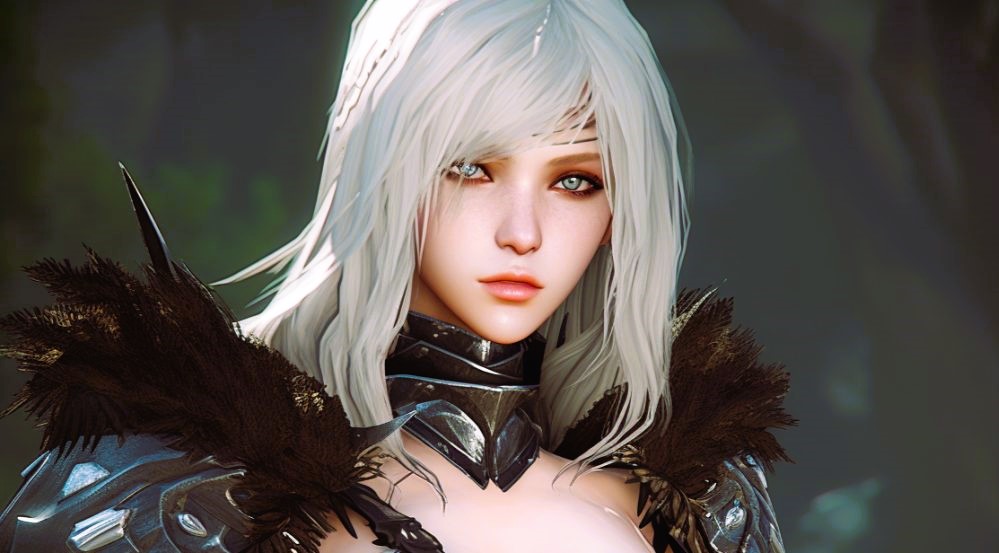
Creating a unique RPG character is one of the most exciting parts of playing role-playing games. The ability to design your own protagonist with bold colors and textures makes the experience even more immersive and personal. Whether you’re looking to create a mighty warrior, a cunning rogue, or a magical sorcerer, there are endless possibilities for customizing your character’s appearance. In this article, we’ll explore how you can use bold colors and textures to design a character that stands out in the world of RPGs.
1. Choose a Bold Color Palette
Colors are one of the first things players notice about your character. Bold color choices not only make your character visually striking but also convey personality and tone. For instance, a bright red might evoke power and aggression, while deep blue could suggest wisdom and mystery. Here are a few color combinations to consider:
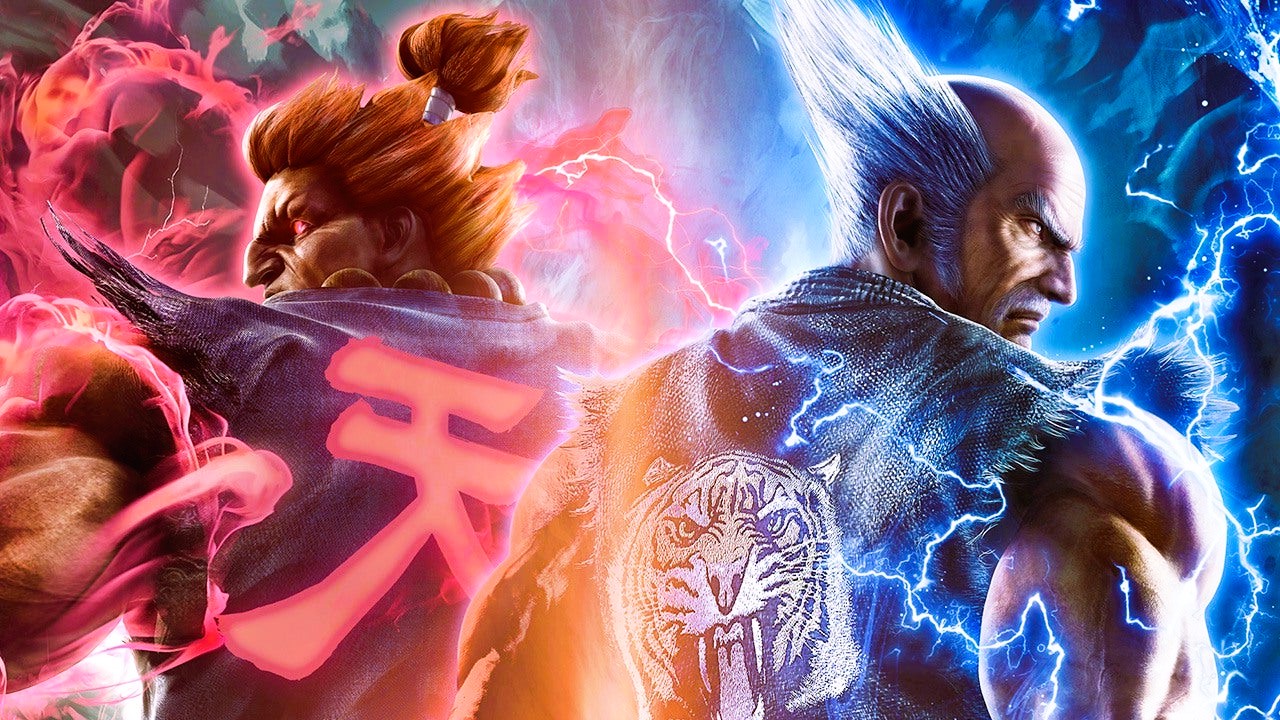
- Fire and Ice: Combine fiery reds and oranges with cool blues and whites to create a visually compelling contrast that symbolizes opposing forces.
- Dark and Light: Use a mix of dark and light tones to represent duality or inner conflict in your character. Black and gold or silver could give a regal, yet mysterious feel.
- Natural Shades: If you’re designing a druid or nature-based character, earthy greens and browns combined with soft yellows and beiges can create a grounded, natural look.
2. Experiment with Textures for Added Depth
Textures play a significant role in making your character’s design more dynamic. Textures can be used to suggest the materials of your character’s armor, clothing, and even their skin or magical aura. Here are some ideas for incorporating textures into your character’s appearance:
- Metallic Finishes: If you’re designing an armored character, consider adding metallic textures like polished steel, worn bronze, or glittering silver. These textures can make your character’s armor appear battle-worn or pristine, depending on the look you’re going for.
- Fabrics and Leathers: For characters dressed in robes or leather armor, adding texture to the fabric or leather can create a more tactile and realistic appearance. The rough texture of leather or the flowy, soft look of silk can be used to convey both practicality and style.
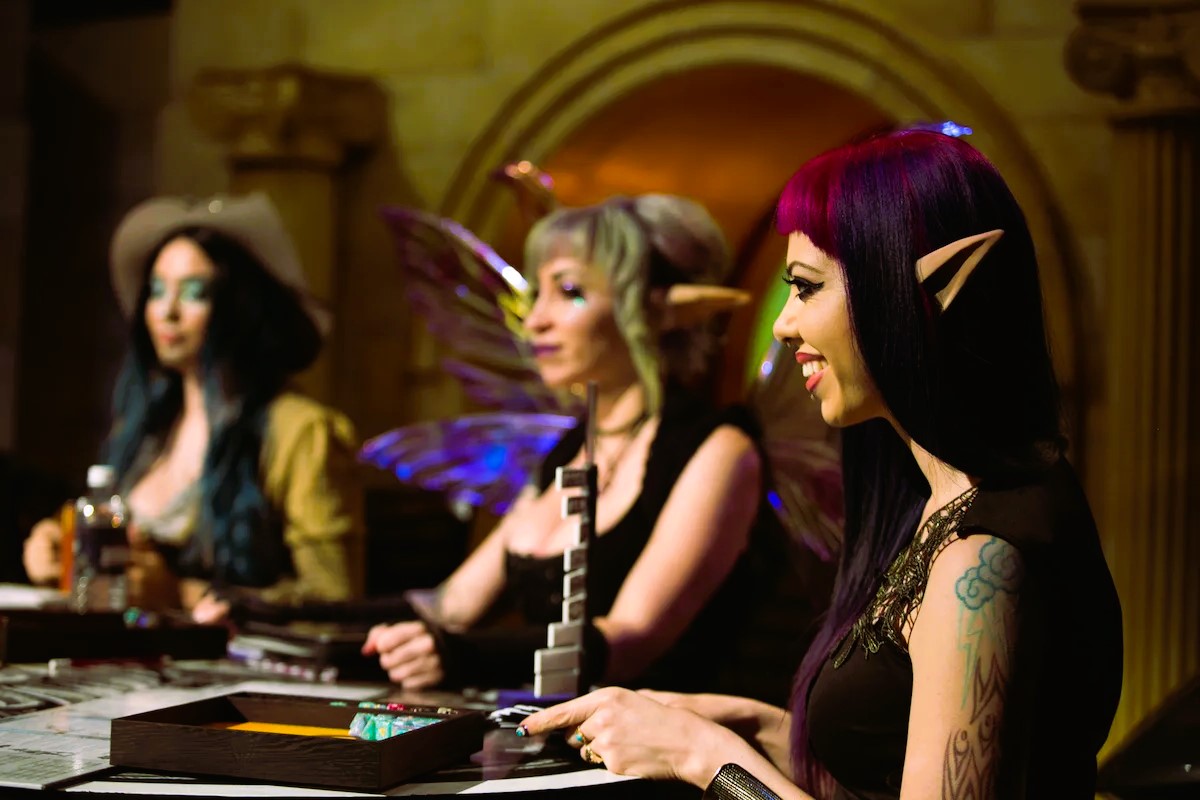
- Magical Energy: For fantasy-based characters, adding glowing or ethereal textures to parts of the design—like a glowing aura around the hands or magical symbols etched into the skin—can emphasize their magical abilities and make them stand out.
3. Use Contrast to Draw Attention
A key to creating a visually memorable RPG character is using contrast effectively. Bold colors and textures can help highlight specific parts of the character’s design. For instance:
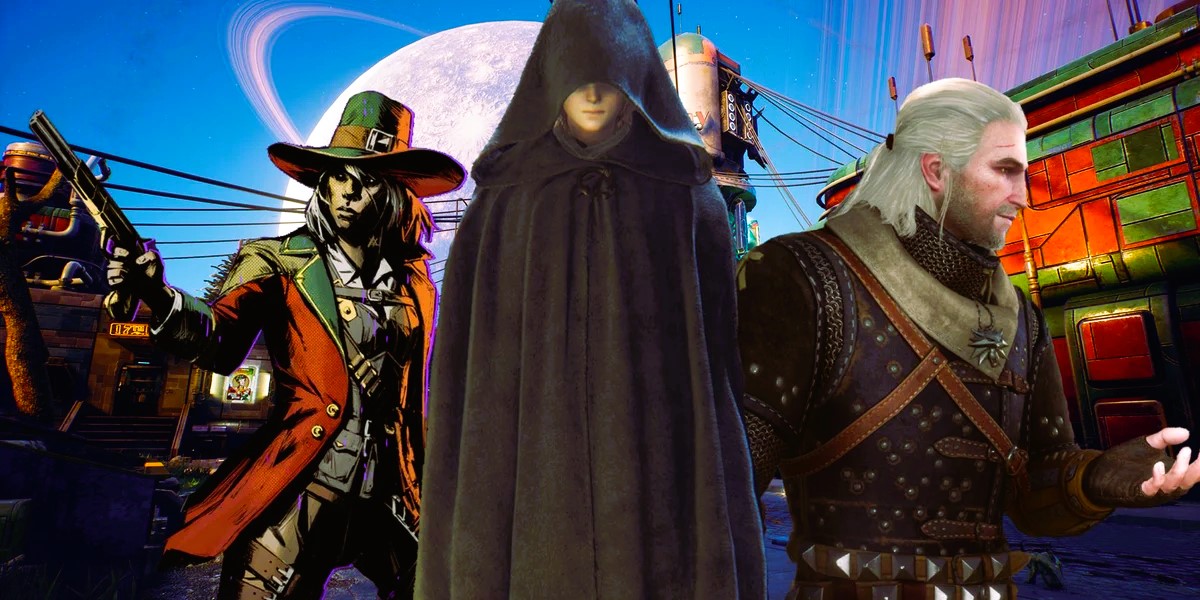
- Contrast in Clothing: Pairing a brightly colored cloak with neutral-toned armor can draw attention to the character’s most striking feature.
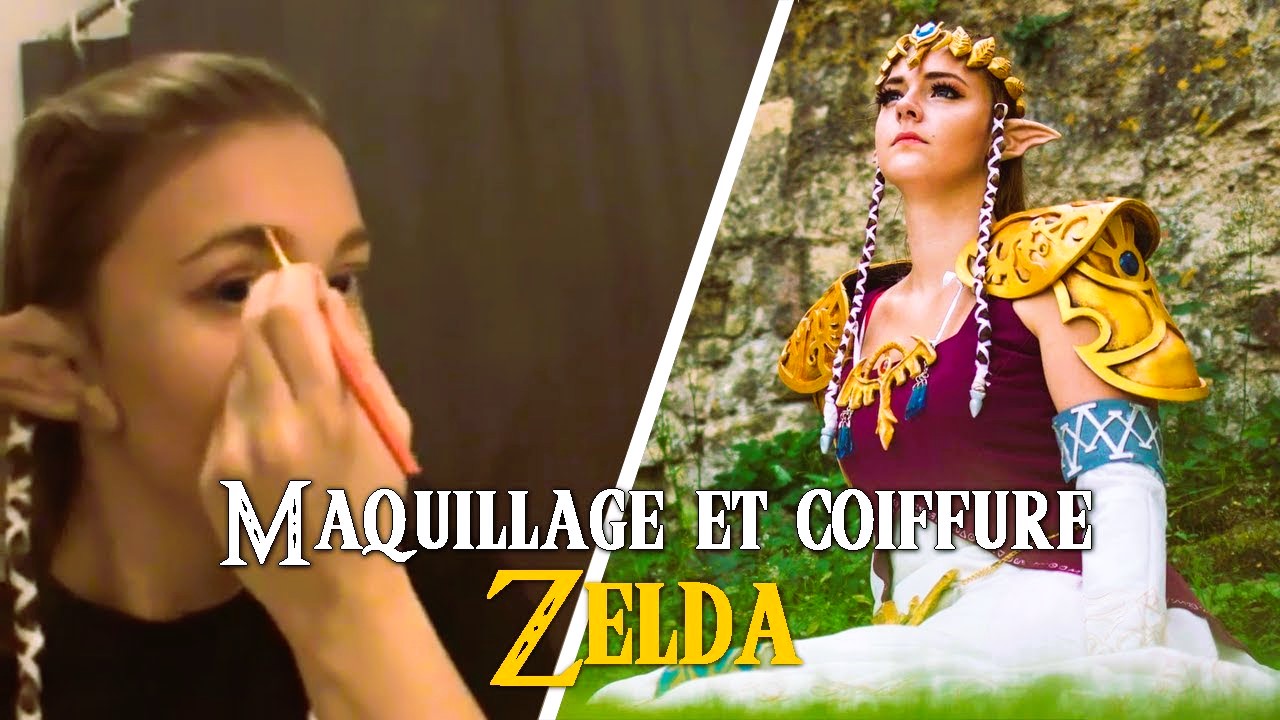
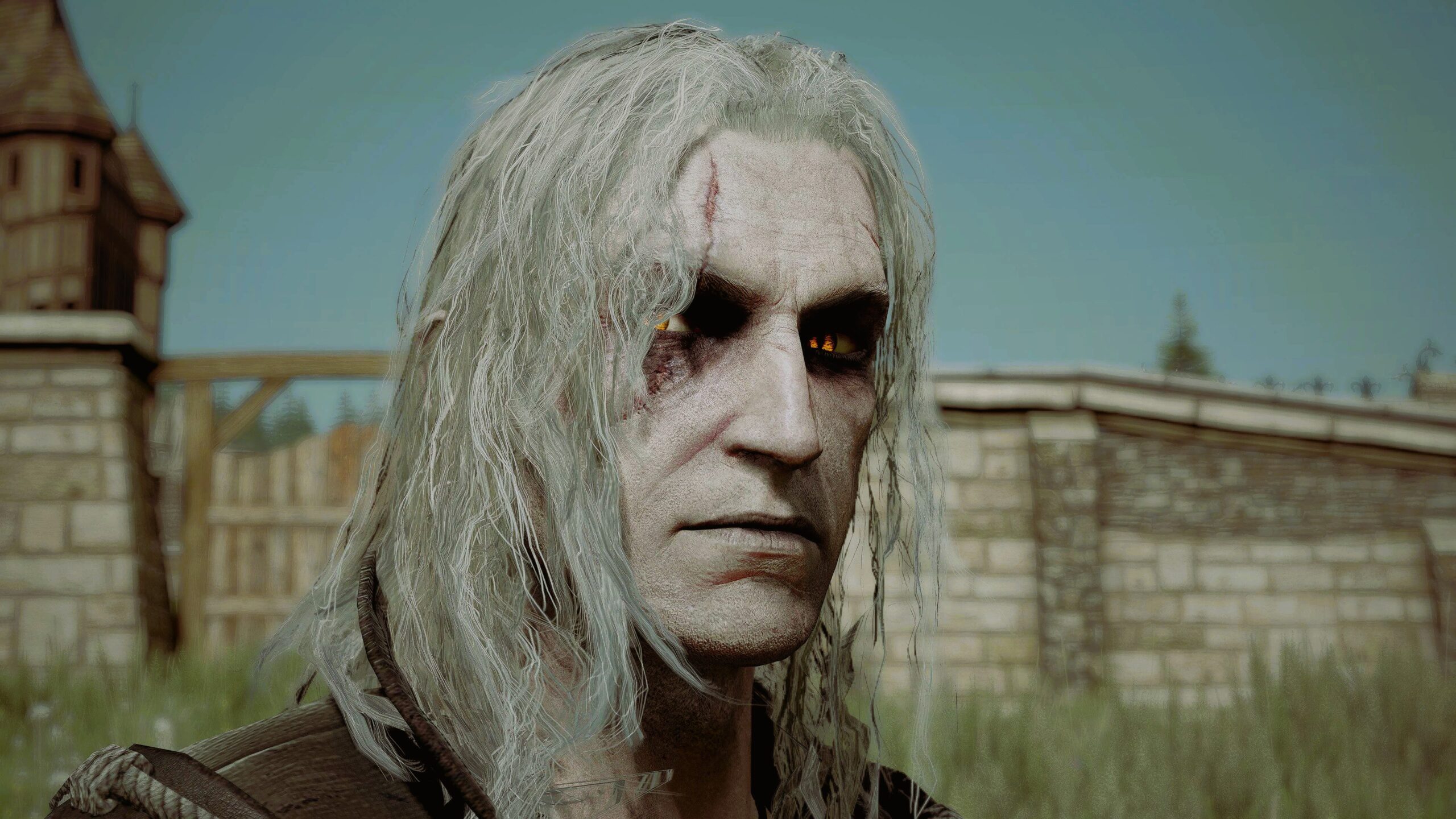
- Highlights and Shadows: Adding light and shadow to your character’s design can give them depth, making them appear more three-dimensional. The way light interacts with your character’s textures—such as the shine on a sword or the smoothness of a face—can tell a lot about their personality and abilities. Like this article? Read also about Legend of Zelda Makeup.
4. Consider the Setting and Background
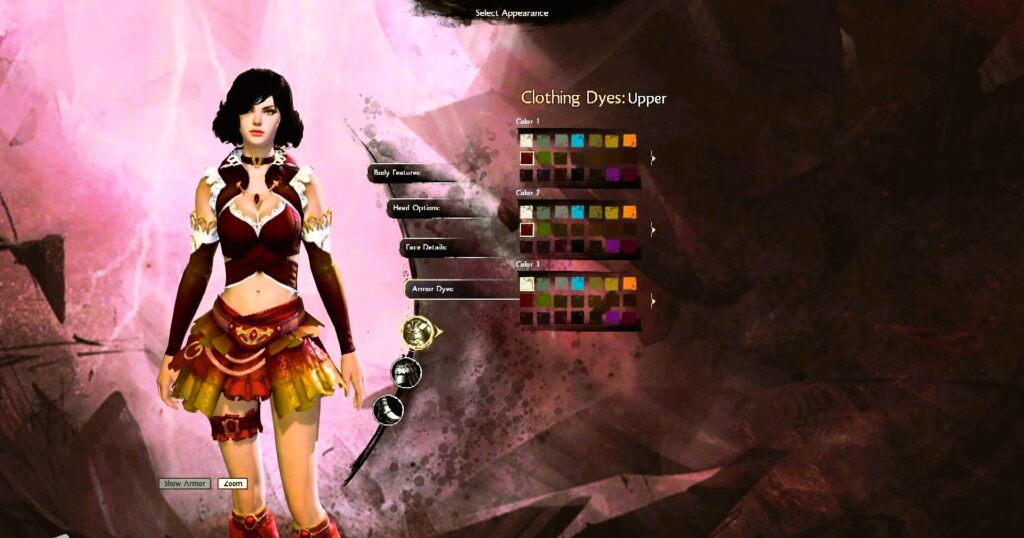
Your character’s design should also reflect the world they inhabit. If your character is from a specific faction, tribe, or environment, their appearance should reflect that. For example:
- Fantasy Settings: Characters from a medieval or magical world might have elaborate armor, cloaks, and mystical elements, such as runes or enchanted objects.
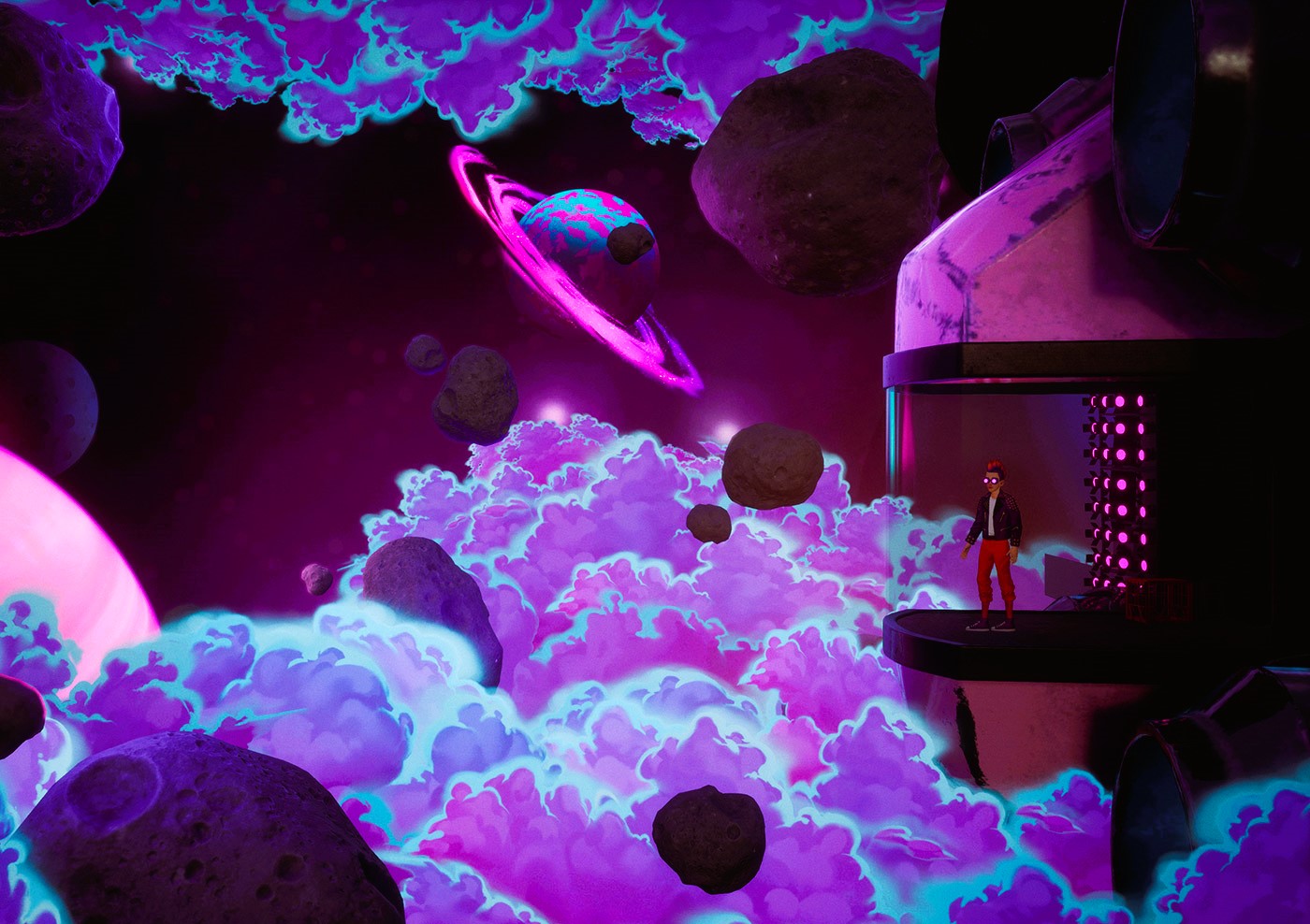
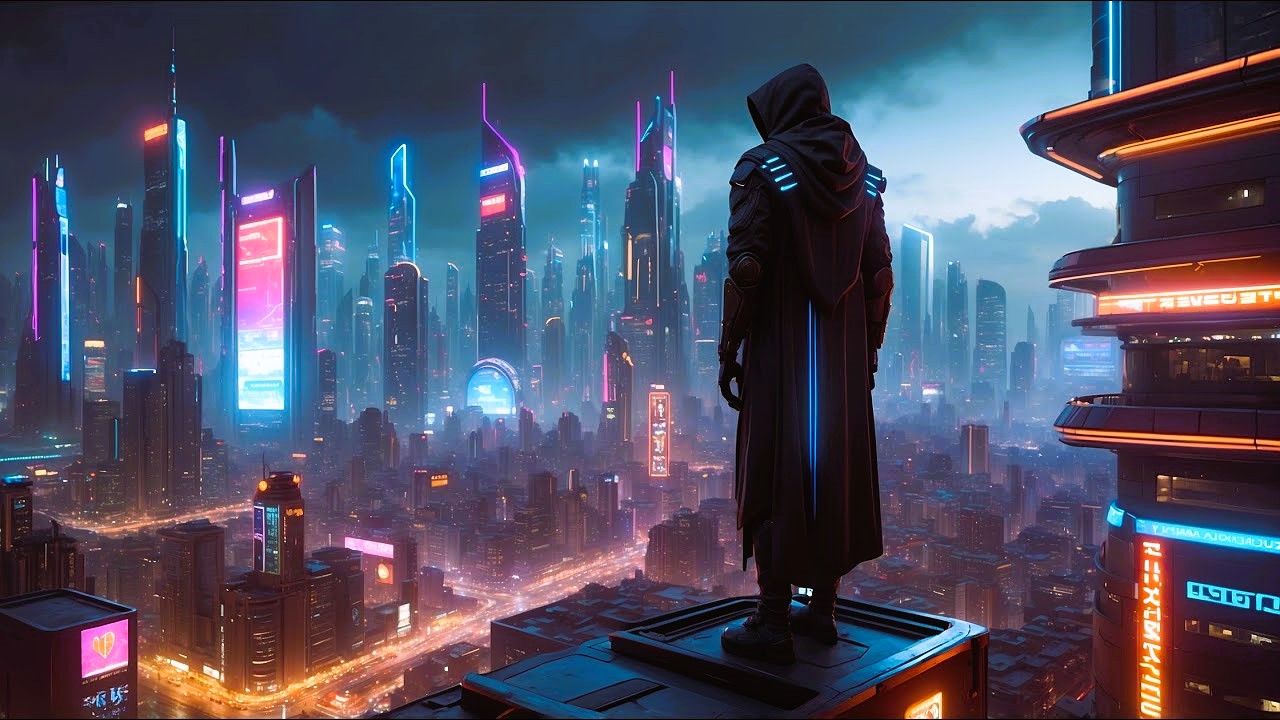
- Sci-Fi Settings: A futuristic character may wear sleek, high-tech armor with shiny metallic textures or glowing neon accents.
- Post-Apocalyptic Settings: In a dystopian world, rugged textures like weathered leather and makeshift armor can add to the character’s survivalist appeal.
5. Add Accessories to Personalize Your Character
Finally, accessories can add the finishing touch to your RPG character’s look. Bold accessories such as large, intricate belts, rings, amulets, or weapons can help tie together the overall design. Accessories can also tell a story about your character’s background and personality. Does your character wear a mysterious pendant? Perhaps it holds the key to their power or a secret from their past.
Conclusion
Creating an RPG character that stands out is all about combining bold colors, textures, and accessories in a way that tells a story and fits within the game’s universe. Experiment with different designs and always consider how your character’s appearance reflects their role, personality, and the world they come from. Remember, the more unique and personalized your character’s design is, the more memorable they’ll be.
For more information on RPG character design and game development, check out Wikipedia’s entry on RPG.